
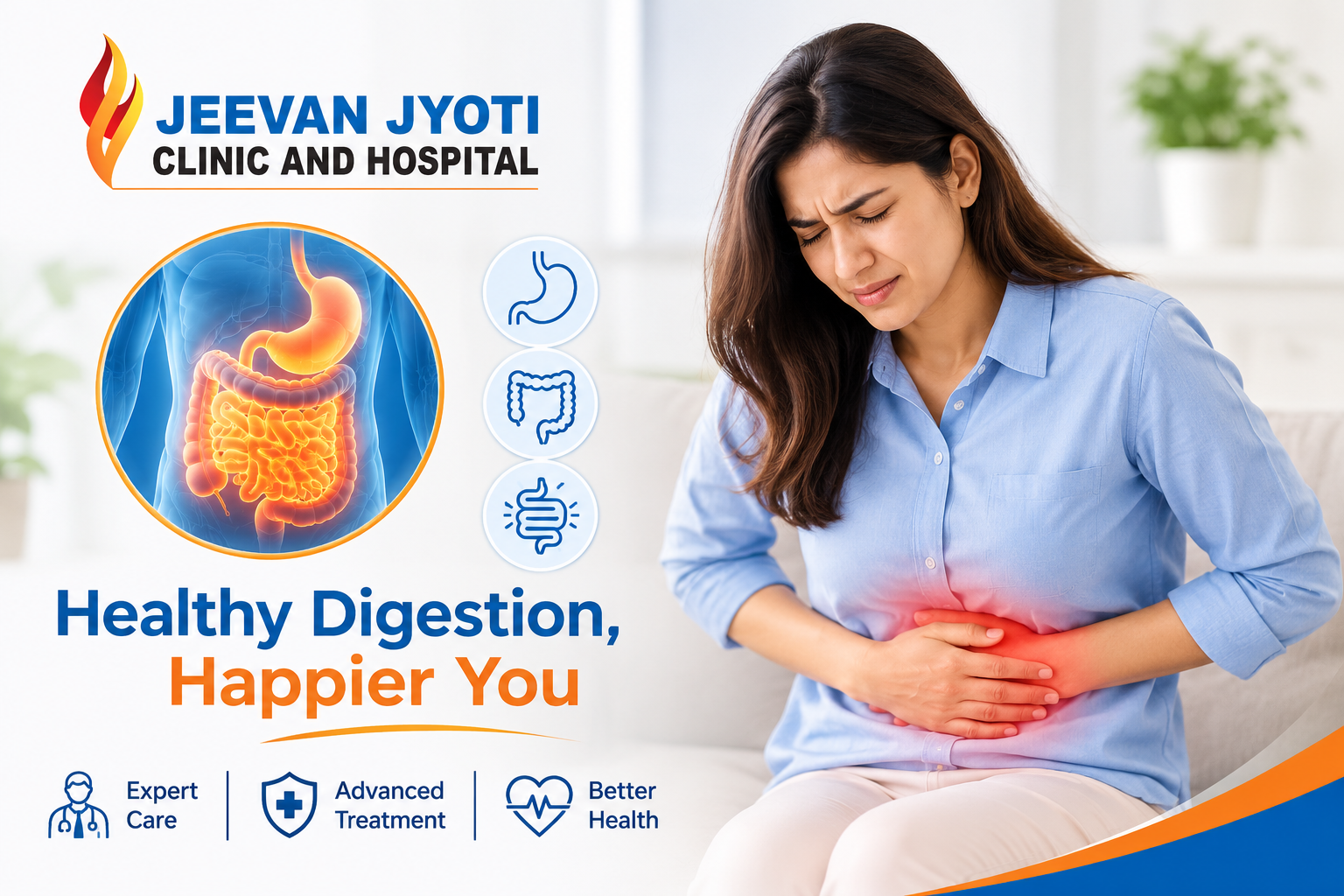
Stomach discomfort and other gastrointestinal (GI) symptoms can impact the quality of life. Bloating, constipation and changes in bowel movements can be ignored until they begin to interfere with daily activities. Knowing when you should worry about these symptoms can be helpful to your health. If you are looking for the Best Gastroenterologist in East Delhi, recognizing common stomach and intestinal conditions, their warning signs, and when to get medical help for the concerns can be very useful.
The organs of the digestive system include the stomach, the small intestine, the large intestine and other organs that help in breaking down and digesting food, and absorption of nutrition. Any problem in any of these can lead to discomfort and other health issues. For residents of Shahdara and nearby areas of hospital East Delhi, knowing and identifying the symptom and when to approach a qualified stomach specialist can be very beneficial for their health.
What are the Most Common Stomach and Intestinal Problems?
Infections, lifestyle and eating habits, and certain medications can cause digestive problems. Some problems can be temporary while some need an in-depth diagnosis. Here are some of the common digestive problems that you should know about.
1. Acidity and Acid Reflux
When the stomach acid moves up towards the food pipe, it causes burning sensation in the food pipe and chest and is called acidity. Sometimes, this stomach acid flows back into the food pipe and causes irritation. This condition is called acid reflux.
2. Acidity
An acid reflux occurs when the stomach’s acid flows into the food pipe and causes irritation. Eating large meals and consuming certain foods can cause acidity. People who suffer from frequent acidity should not ignore the symptom, and seek the help of a doctor.
2. Gastritis
Gastritis is the inflammation of the stomach lining. Bacterial infection is one of the causes for gastritis. Stomach ulcers occur due to infection with Helicobacter Pylori. The signs and symptoms are:
Upper abdominal pain.
Nausea and vomiting.
Loss of appetite.
Feeling full quickly.
Bloating and indigestion.
Some people do not experience any symptoms. If the symptoms of gastritis are mild and do not worsen, self-medication is recommended. Otherwise, a doctor’s consultation is advised.
3. IBS
IBS, irritable bowel syndrome is a condition that affects bowel function and causes discomfort. People who suffer from IBS may also suffer from constipation and diarrhea. Other symptoms of IBS are:
Abdominal discomfort
Bloating
Gas
Alteration in bowel movements.
A feeling that the bowel has not completely evacuated.
Like other signs and symptoms of digestive disorders, signs and symptoms of IBS also vary between individuals. Certain foods, stress, and changes in routine may trigger the symptoms in some people. A doctor will determine the cause of symptoms of IBS based on their assessment, and decide if tests are required.
4. Constipation
Less frequent and hard to pass stools characterize constipation. Lack of dietary fiber, dehydration, sedentary lifestyle and certain medications are some of the causes of constipation.
Signs and symptoms are:
Hard, dry stools.
Pain and discomfort during passing stools.
Excessive straining during passing stools.
Not feeling completely empty after having a bowel movement.
Continual constipation, especially when in conjunction with unexpected weight loss, rectal bleeding, vomiting, and abdominal pain, requires further evaluation.
5. Diarrhoea and Infectious Diarrhoea
Diarrhoea is the passage of watery stools in increased frequency. Causes are infected or contaminated food or water, certain medications and some intolerance to food.
Common symptoms are:
Frequent passage of watery stools.
Cramps in the abdomen.
Nausea and/or vomiting.
Low blood pressure, dehydration, and weakness.
Prevention is the key. Avoid contaminated or unclean food and water. If you have diarrhoea because of a medicine, ask your doctor about stopping the medicine. Otherwise, drink plenty of fluids and take oral rehydration solutions. If the diarrhoea does not improve or if it is severe or if it is accompanied by blood, high fever, dizziness, and signs of dehydration, then consult your doctor.
6. Peptic Ulcers
Peptic ulcers are sores on the stomach or the small intestine. Causes include infection by Helicobacter pylori (H. pylori) and use of pain relief medicines.
Symptoms include:
Recurrent pain in the upper part of the abdomen.
Feeling sick and/or vomiting.
Bloating and/or a sense of fullness.
Bleeding or perforation of a peptic ulcer is a medical emergency. Symptoms of a bleeding peptic ulcer include passing stools that are tarry and/or bloody and vomiting blood. Pain is severe and typically localized to the abdomen.
You should not ignore following symptoms of peptic ulcers and other stomach and intestinal issues:
1. Severe and/or persistent abdominal pain.
Blood in stool: If you see blood in your stool that is either red or black and tarry, there is likely to be bleeding somewhere in your digestive system.
Unexplained weight loss: If you haven’t changed your diet or the amount of exercise you do, and you begin to lose weight, this is something that needs to be medically investigated as it may indicate an underlying illness or disease.
Frequent vomiting: Repeated bouts of vomiting can lead to dehydration and there may be a more serious condition causing the vomiting.
Difficulty swallowing: Painful or difficult swallowing needs to be assessed by a medical professional.
Changes in bowel habits: If the frequency of your bowel movements has changed and/or the consistency or appearance has changed, this merits further assessment.
Severe bloating: Bloating is usually caused by gas, but if bloating is accompanied by regular vomiting, pain, or unexplained weight loss, this should not be considered normal gas.
Emergency medical attention should be sought for the following: Black, tarry stools; visible blood in vomitus; severe abdominal pain; fainting; and/or significant rectal bleeding.
The Best Gastroenterologist in East Delhi says patients should try to determine the cause of their symptoms and seek help to treat the underlying cause rather than simply alleviate the symptoms.
You should see a digestive health specialist for the following reasons: Frequent acidity or abdominal pain; Presence of blood in stool; Unexplained weight loss; and/or Significant changes in bowel habits.
Typically, the goal of a consultation is to confirm whether the symptoms are caused by a digestive system disorder or are a consequence of a transient digestive system condition.
How Can You Improve Stomach and Intestinal Health?
Healthy lifestyle habits may help to minimize certain digestive complaints, as well as promote normal digestive function.
Follow a Healthy and Balanced Diet
Eat sufficient vegetables and fruits, whole grains, and protein sources, and opt for fiber-rich foods. Increase fiber intake gradually to prevent intolerance.
Drink Adequate Water
Inadequate water intake may contribute to constipation and is often exacerbated by diarrhea.
Exercise Appropriate Physical Activity
Walking may promote intestinal and general health.
Good Food Hygiene
Practice the following to prevent foodborne illness: Wash hands before eating; eat adequately cooked foods; and drink safe water.
Avoid Unnecessary Medication
Irritable bowel syndrome is worsened by the use of painkillers and other over-the-counter medications. Use antibiotics and other digestive system medicines only when prescribed by a doctor.
Faq
1.) What are the most common symptoms of stomach problems?
Common symptoms include abdominal pain, nausea, vomiting, constipation, diarrhea, and bloating. If symptoms worsen or persist, consult a doctor.
2.) When should I visit a stomach doctor in East Delhi?
You should visit a doctor when you experience stomach pain or discomfort on a frequent or recurrent basis. Other symptoms that may require you to visit a stomach doctor include acidity, changes in the nature of your bowel movements, unexplained weight loss, persistent difficulty in swallowing, among others. A visit to an emergency room is warranted if you have severe abdominal pain or if you notice blood in your stool.
3. Can acidity and gastritis cause similar symptoms?
Yes, acidity and gastritis can cause similar symptoms, including upper abdominal pain, nausea, indigestion and others. Both conditions should be evaluated by a physician for proper diagnosis and treatment.
4. Is frequent bloating a sign of an intestinal problem?
Frequent bloating can be a sign of constipation, food intolerance, irritable bowel syndrome (IBS), other digestive problems, among others. Bloating can be painful. Blood in stool or frequent vomiting should always be taken seriously and evaluated by a doctor, even if you believe it is caused by gas or bloating.
5. How can I prevent common intestinal infections?
Maintaining good hand and kitchen hygiene and consuming well cooked food can be preventive measures to combat common intestinal infections.
6. How do I choose the best stomach doctor in East Delhi?
You should choose a doctor who is not only experienced and qualified but also empathetic and understanding in his/her approach to patients. The hospital, too, should have sufficient diagnostic and support services.